Vietnam grabs you fast.
You hear scooters. You smell grilled pork and sweet coffee. You spot a shrine tucked beside a busy shop. Culture is not a show here. It lives in the street, in the river, and in the way people greet you.
Vietnam’s heritage is diverse. One day, you drift past limestone peaks at sunrise. Next, you step under the lantern light in an old trading town. Then you stand inside a royal citadel where history still feels close.
This list is built for travelers who want moments, not facts. Six cultural experiences. Each one tells a clear story. Each one pulls you closer to Vietnam’s heart.
Dawn On Ha Long Bay With Fisherfolk
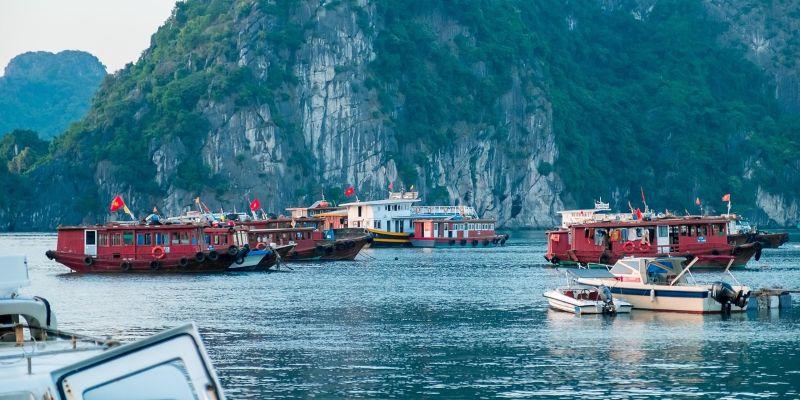
Wake up before the tour boats start. The bay feels wide and quiet. Limestone islands rise out of the water like dark shapes. A small fishing boat slips past with no rush. You hear oars creak and water tap the hull.
A fisher pulls up a net with steady hands. The rope looks worn and salt-stained. A bucket flashes with silver fish in the low light. Breakfast smells like instant noodles and sea air. This work has fed families here for a long time.
Stay out of the way and watch the rhythm. Pay for photos when someone asks. Buy a small catch if it gets offered on the boat. The point is not the purchase. The point is seeing a living routine that shaped the coast.
Lantern Nights And Old Stories In Hoi An
Hoi An changes after sunset. The streets soften, and the river turns glassy. Silk lanterns glow in doorways and above small bridges. You walk past old shop houses with wooden shutters. You feel the town’s trading past in every painted beam.
Merchants once came here from far ports. They brought fabrics, spices, and new styles. You can spot those influences in the buildings and the food. Try a bowl of cao lầu in a small courtyard spot. Watch how locals eat and talk with easy focus.
Then follow the river for a slow loop. Boats drift by with candles set in paper flowers. Some nights carry music from a nearby cafe. Some nights stay quiet. When you leave the old town, the road north makes sense. Hue waits with a different kind of memory.
Royal Echoes Behind Hue’s Citadel Walls
Hue feels formal the moment you arrive. The air is calmer, and the pace drops. The citadel walls stretch wide and solid. You pass through a tall gate and step into open courtyards. The space tells you who once held power here.
Look closer at the details. Dragons curl along roofs and pillars. Bright tile work frames doors and steps. Court style shaped clothes, speech, and manners for generations. You can picture officials lining up and messengers crossing the stones with purpose.
Walk the grounds in the early morning. The heat lands hard by noon. Listen for traditional music when it plays near the halls. Notice how guides speak about rank and duty. Hue carries pride in its posture. That pride still shows in the way the city moves.
Street Altars And Incense Trails In Hanoi
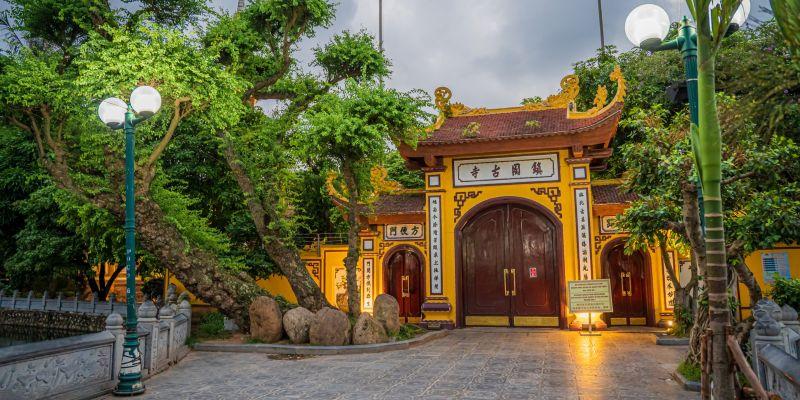
Hanoi greets you with motion and small surprises. You turn a corner in the Old Quarter and find a tiny altar on the sidewalk. It sits beside motorbikes and fruit crates. A cup of tea, a few oranges, and a curl of incense hold their place.
Step into a narrow temple, and the noise drops. Red candles glow against dark wood. People light sticks, bow once, and then head back to work. Faith shows up in quick moments. It blends into the day like coffee or a short chat with a neighbor.
Watch with care. Do not block the doorway. Keep your voice low. If you take a photo, do it from the edge. These spaces are not props. They are part of family life in the city, and they carry respect in every gesture.
Rice Fields, Water Puppets, And Village Pride
Leave the cities, and the land opens. Rice paddies spread out in bright green squares. You see farmers in conical hats moving through shallow water. The work looks simple from a distance. Up close, it is precise and tough on the body.
Villages keep their own heartbeat. A communal house sits near a banyan tree. Kids race bikes on small lanes. Elders sit in the shade and trade stories. Pride lives in local craft, local food, and the way people know each other by name.
Then comes water puppetry. A small pond becomes a stage. Wooden figures dance, splash, and spin. Drums and flutes drive the scenes. The jokes land fast, even if you miss a line. Folklore feels close here, like it belongs to everyone watching.
Tea Smoke And Gong Echoes In The Central Highlands
The Central Highlands feel different from the coast. The air turns cooler at night. Roads climb past coffee trees and red soil. In some areas, community life centers on longhouses and shared yards. You notice how people gather, not just where they live.
Gong music is the heartbeat of many Highland groups. The sound rolls deep and steady. It carries across a village circle and pulls people in. Dancers move with calm focus. Older hands keep the rhythm. Young kids watch and learn without being told.
Join with respect. Ask before you record. Buy crafts straight from makers when you can. Listen more than you speak. Share tea when it is offered. This is not a performance you order. It is a tradition that holds a community together, night after night.
Bring The Story With You
After these stops, Vietnam feels less like a map and more like a set of faces. A fisher at dawn. A lantern seller by the river. A temple keeper who nods as you pass. Heritage lives in people who do the same things, day after day.
Travel in a way that leaves a good mark. Choose local guides. Eat at family-run places. Learn a few words before you arrive. Smile first. Dress with care at temples. Ask before photos. Small choices shape how welcome the next visitor feels.
When you fly out, take more than pictures. Carry the pace of Hanoi’s altars. Keep the hush of Hue’s courtyards. Remember the splash of water puppets and the low pulse of gongs. Vietnam’s culture stays with you when you let it feel personal.