A big family dinner sounds cozy until you price it out. One trip to the store, and the total jumps fast. The problem is not that you want to feed people well. It is that hosting brings sneaky costs. Extra dishes. Last-minute add-ons. Drinks you did not plan. Paper goods you forgot.
You can keep the table full without draining your wallet. You just need a tighter plan than “we’ll figure it out.” This dinner gets cheaper when you lock the menu early, buy with purpose, cook in smart batches, and keep the drink setup under control. The best part is how calm it feels when the money side is handled.
Start With A “One-Page” Menu That Saves You Fast
Most dinners get expensive before you even cook. It starts when the menu stays loose. Someone suggests a second main. Another person wants a new side. You add a snack “just in case.” Each add-on feels small. Together, they blow the bill up.
Lock the menu on one page. Keep it tight and balanced. Pick one main that fits your budget and your oven space. Add two filling sides that stretch. Add one fresh thing for contrast. Finish with one dessert that serves a crowd without fancy ingredients.
Choose a main that works hard for the price. Chicken thighs, roast chicken, or a pot roast can feed many people with less waste. Plan flavors that feel special without extra items. One herb mix. One sauce. One pan of drippings turned into gravy.
Let your sides do the heavy lifting. Potatoes, rice, pasta, beans, and seasonal vegetables feed a crowd. A baked pasta tray can replace two separate dishes. A big pot of rice can support anything on the table. That is comfort food that also protects your budget.
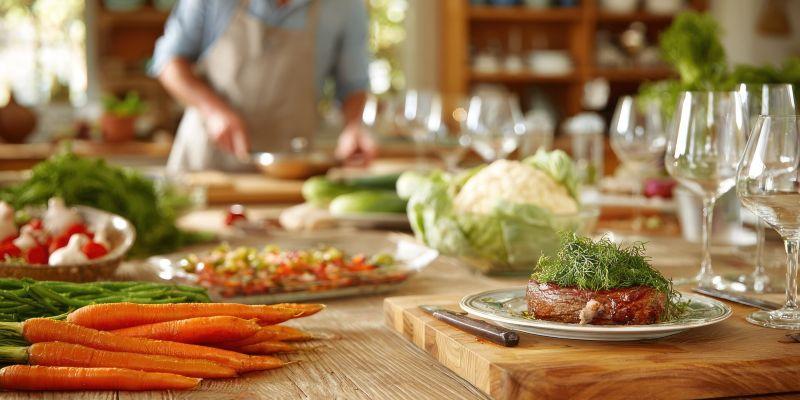
Keep the “fresh thing” easy. A cabbage slaw, a simple green salad, or roasted carrots add color and crunch. Then pick a dessert that looks generous without costing much. Cobbler, bread pudding, and sheet cake win because they scale well.
Once the menu is locked, shopping gets cleaner. You stop browsing and start buying what you need. You also avoid the last-minute panic trip that always costs more. Now you are ready to shop with a plan that blocks impulse.
Shop With A Plan That Beats Impulse Every Time
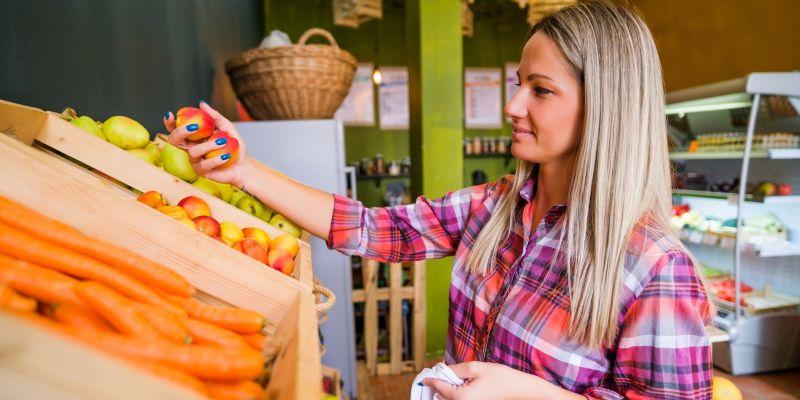
Walking into the store without a plan is where budgets go to die. You grab what looks good. You forget what you already have. Then you “fix” it with extras. The cart fills fast, and the total rises before you notice.
Start with a short list tied to your one-page menu. Buy pantry basics first, since they change the total the most. Store brands often save real money on flour, sugar, butter, broth, pasta, and canned goods. Those swaps add up across a big dinner.
Check unit prices on anything you buy in bulk. Rice, oil, spices, and paper goods can look cheaper in small packs but cost more per ounce. The unit label tells the truth. This one habit saves more than chasing random deals.
Pick produce that handles a crowd and holds up well. Cabbage, carrots, onions, potatoes, and apples store well and keep for a long time. They also work across dishes. One bag of onions can cover the main, the sides, and the stockpot.
Use one “flavor kit” across the menu to avoid buying five different seasonings. Garlic, lemons, herbs, and one spice blend can season almost everything. Your food still tastes layered, but you do not pay for extra bottles you will not use again soon.
Shop in a smart order. Pantry items first. Proteins second. Produce last. Do one big trip for most items, then one small fresh trip close to dinner. Now that your food is bought with intent, it is time to cook in a way that saves money and stress.
Cook Once, Serve Twice, And Keep The Stress Low
Dinner day gets expensive when it gets chaotic. You run out of space. You burn something. You order takeout “to fill the gap.” You also waste food when dishes overlap, and no one touches half of them. A calmer cooking plan protects your budget.
Choose dishes that hold well and often taste better after resting. Chili, curry, baked pasta, braises, and roasted vegetables are strong options. They also reheat without turning sad. When you cook early, you avoid the last-minute scramble that causes mistakes.
Use the oven for big batches and let it do the work. One sheet pan can roast a mountain of vegetables. One large dish can feed many people. Save your stovetop for just one or two items. That keeps timing tight and reduces ruined dishes.
Let one tool do the heavy lifting so you do less active cooking. A slow cooker can handle a main or a side while you focus on other tasks. A rice cooker can produce volume without watching a pot. These tools help you stay on budget by avoiding kitchen failures.
Prep in stages. Chop, measure, and portion the night before. Cook sauces early. Roast vegetables ahead of time and rewarm them. You spend less on emergency fixes because your plan is stable. You also use fewer disposable items since you are not rushing.
Reduce waste by intentionally repeating ingredients. If you buy herbs, use them in the main dish and the salad. If you buy lemons, use them in a sauce and a drink. Save bones and vegetable ends for broth. Small choices like this turn scraps into value.
With food handled, the last budget leak is what everyone sips all night. Drinks can double your total if you wing it. A clear drink plan keeps the table generous without turning your grocery receipt into a shock.
Build A Drink Plan That Feels Generous Without Going Broke

Drinks are the quiet budget trap. People sip for hours. Refills add up. Then you realize you spent nearly as much on bottles as you did on food. Fix that early. A clear drink plan keeps options open without turning your cart into a bar order.
Start with two non-alcoholic picks that fit almost everyone. Make one of them water-based. Try iced tea and sparkling water with lemon. Or drink cucumber water and a fruit punch. Put them in big pitchers so guests can serve themselves, and you don't have to keep opening new drinks.
Add one “special” batch drink for a treat. Keep it easy to scale. Mix lemonade with orange slices. Or do a citrus punch with fresh ginger. Put it in a large dispenser. People feel taken care of, and you control the cost.
Say it in a friendly way that sets expectations. “We’ll have tea and sparkling water ready.” “We’re doing one red and one white.” “Bring your favorite drink if you want something different.” You stay generous, and you stop paying for drinks that go half-finished.
End The Night Feeling Full, Not Spent
People remember the feeling of the dinner. They remember the laughs and the second helpings. They do not remember whether you served four or six sides. When you protect your budget, you also protect your energy. That makes the night better for everyone.
Lock a one-page menu and stick to it. Shop with a list and place smart orders. Cook in batches and reuse key ingredients across dishes. Keep drinks focused with a few strong choices. Each move cuts waste and lowers stress at the same time.
Then sit down and eat with your people. Let the table be loud. Let the food be warm. Let the kitchen stay under control. You hosted a big family dinner that felt rich. Your bank account still feels fine the next morning.