Spending 5 days in London with a best friend changes the pace of the city. Plans stay loose, jokes fill the gaps, and small mistakes turn into stories. This kind of trip favors shared moments over ticking landmarks off a list. London supports that style well, with walkable neighborhoods, frequent trains, and places that reward lingering. This article lays out a realistic 5 day rhythm shaped by common travel pressures like ticket queues, weather swings, and crowd surges. Each day balances movement and rest, leaving room for conversation, detours, and the comfort of moving together without rigid schedules or stress.
5 Days in London with Your Best Friend
Day One: Arrival and Getting Oriented
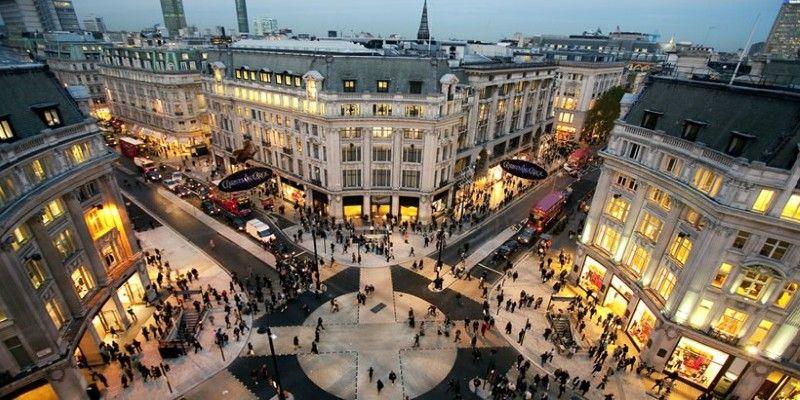
Arrival day often carries the most friction. Flights land early or late, rooms remain unavailable, and energy levels rarely match. A first afternoon built around walking central areas like Bloomsbury and Soho solves that problem. Luggage storage near major stations eases the gap between arrival and check in, though space fills fast during summer weekends. Two friends can move at an easy pace, stopping for coffee or a park bench when jet lag hits. Public transport cards bought on day one reduce queue time later. The goal stays simple.
Get a feel for distances, note crowded corners, and end the evening near the hotel to protect sleep. Central London crowds peak mid afternoon, so patience matters. Rain changes plans quickly, making covered streets useful. Keep dinner flexible. Popular places book out early, while casual spots accept walk ins after eight. An early night pays off tomorrow.
Day Two: Early Starts and Major Sights
Day two suits big sights reached early. Westminster and the South Bank reward morning starts, before tour buses arrive. Advance tickets for major attractions save time, yet security lines remain unavoidable. Two friends can trade off holding places while grabbing snacks, a small tactic that cuts waiting fatigue. Walking bridges links areas without train transfers, though wind and cold linger near the river in spring. Lunch after two avoids rush pricing. By afternoon, energy dips. A museum visit works well then, since indoor pacing allows rest without leaving the city flow.
Peak season brings school groups, making galleries noisy late morning. Earplugs help sensitive ears. Free entry eases budget strain during longer stays. Finish the day back at the hotel area. Familiar streets feel calming after crowds. Public transport delays appear often during evening maintenance windows. Walking short hops avoids frustration and keeps conversations flowing. Plan loosely and stop early if tired. Tomorrow asks more energy. Sleep matters here, too.
Day Three: Neighborhoods and Daily Rhythm
Midweek fits neighborhoods beyond the center. Markets and residential streets feel calmer once commuters settle. Using local buses shows daily rhythms, though exact change speeds boarding. A pair traveling together reads routes faster and catches mistakes early. Weather plays a role. Rain pushes plans indoors, while clear skies suit long walks through areas like Hampstead. Lunch at odd hours avoids lines. Afternoons suit shopping streets, but budget drift happens fast. Setting a spending cap before leaving the hotel prevents awkward moments later.
Midweek brings a slight dip in attraction prices, though transport fares usually hold steady. Cashless payment works almost everywhere, though backup cards help during outages. Rest breaks matter today. Parks offer benches and toilets without entry fees. End the evening nearby to avoid late buses. Residential areas quiet down early, which suits tired legs. Keep noise low near rentals to avoid complaints. This balance day prevents burnout before the final stretch. Shared planning helps here. One handles maps, one pace, switch later for fairness.
Day Four: Slower Pace and Flexibility
Day four often carries fatigue. This suits flexible plans and slower transport. A late start eases crowds and bodies alike. Trains to outer zones feel less packed after nine thirty, yet return journeys clog by evening. Two friends can split tasks, one watching time, one watching energy. This day fits longer single attractions rather than many stops. Booking afternoon slots avoids morning surges. Food breaks matter more now.

Weather forecasts shift fast, so check again at breakfast. Indoor backups save the day during showers. Seating becomes valuable today. Cafes near stations fill early, so plan gaps. Evening plans stay optional. Crowded shows sell out days ahead. Midweek discounts appear sometimes, but rely on them sparingly. Refund rules vary and last minute changes cost fees. This slower pace protects friendships on longer trips. Talk through expectations openly. Silence feels fine too. Shared travel teaches patience. London tests that skill daily in practice.
Day Five: Wrapping Up and Departure
The final days carry a quiet blend of urgency and reflection. Bags still need packing, yet time feels unexpectedly short. Mornings are worth savoring—a little light goes a long way. Brief walks near the hotel offer space for last photographs without the rush.
Transport strikes can appear with little notice, so it helps to double-check routes early. Checking updates together, especially when traveling with a friend, reduces the chances of missed connections. Shopping finds its natural place now, once the budget is clearer. Keep receipts accessible in case something needs returning.
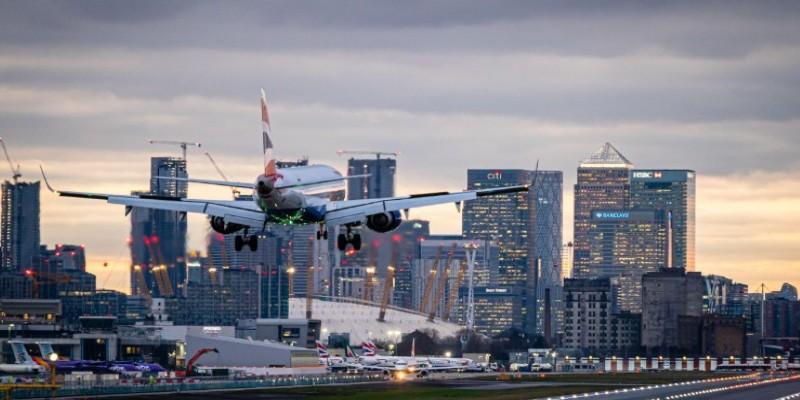
Aiming to end near a main station is a practical choice. Familiar exits make departure day feel smoother. Airports, with their long queues and security checks, call for extra patience. Leaving a time buffer helps. Food options past security often cost more, so packing a few snacks can go a long way.
Sitting together while waiting brings a gentle closure to the trip. Return journeys tend to feel quieter—conversation slows, phones come out, memories begin to settle. This calm ending balances the busy days that came before.
Departure halls test organization. Keep documents within reach and help each other stay focused amid the announcements. Shared responsibility eases the stress. Mistakes, when they happen, matter less than the gratitude that lingers. Five days feel full. Enough stories have already formed. Time, now, to return home.
Conclusion
5 days pass quickly in London, yet the memories linger longer when shared with a close friend. This plan leaves space for missed turns, tired feet, and long talks over simple meals. It respects real travel limits like queues, price spikes, and weather shifts without letting those issues dominate the trip. The city rewards patience and flexibility. Traveling together softens stress and sharpens recall. Years later, specific sights blur, but the rhythm of walking, waiting, and laughing together stays clear. That shared pace matters more than plans on paper later.