Interest rates don’t drop with a warning siren. One week, the headlines feel frozen; the next, lenders are slammed, and the best deals vanish fast. That is why the time to move is before the drop, not after it.
If you wait, you are competing with every homeowner and buyer who suddenly decides to “act now.” If you prepare, you get to choose. You know your number. Your credit is ready. Your paperwork is clean. And you already know which lenders are worth your time.
Here are five moves to make today so you can move fast when rates finally slide.
Pick Your Target Rate And Do The Math Now

Most people say, “I’ll refinance when rates drop.” That is not a plan. It is a wish. You need a target rate that makes the deal worth the effort, plus a clear monthly payment goal you would actually be happy with.
Start with your current loan details and run scenarios. Estimate the new payment, then add the actual costs, such as appraisal, title, lender fees, and prepaid items. A lower rate can still be a bad move if the fees eat the savings.
Then, figure out your break-even timeline. Divide the full amount of closing costs by what you save each month to estimate how long it will take to recover that upfront expense. If there’s a chance you’ll move before you reach that point, the deal may not actually save you money.
Write down your trigger rate and your minimum savings number. Keep it where you can find it fast. When rates dip, you will not guess. You will know exactly whether to act or pass.
Clean Up Your Credit And Debt Like You’re Prepping For A Screening
When rates start falling, lenders get picky and fast. Your credit score and debt-to-income ratio can determine your rate, approval, and leverage. Think of it like showing up to an interview. Small details change the outcome.
Focus first on revolving balances. If your credit cards are high, pay them down and keep utilization low. Avoid opening new accounts or financing big purchases. Even one new hard inquiry can shift your pricing at the wrong moment.
Check your reports for errors while you still have time to fix them. One wrong late payment or an old collection can cost real money over the life of a loan. Set payments on autopilot so you do not miss a due date during a busy month.
If you have multiple debts, look for one quick win that improves your ratios. Paying off a small loan can reduce monthly obligations fast. That can move you into a better approval tier as soon as the best offers appear.
Build A “Refi Or Purchase” File While Nobody’s In A Hurry
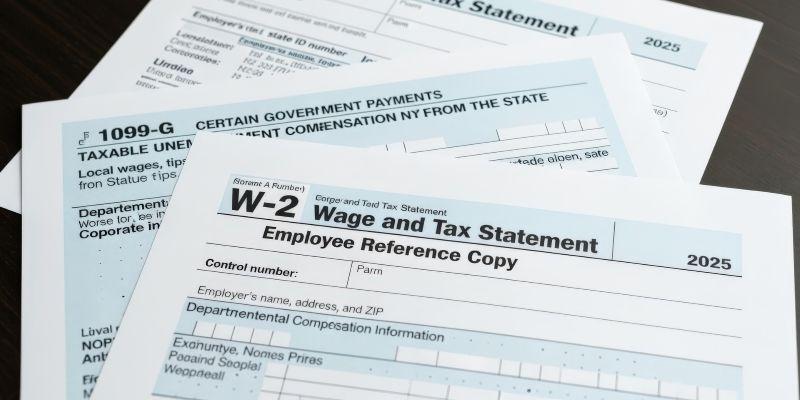
The biggest delays happen when you are hunting for documents under pressure. Rates dip, you decide to act, and suddenly the lender wants proof for everything. If you build a file now, you skip the scramble and move through underwriting faster.
Create a single folder and gather the basics you will likely need. Recent pay stubs, the last two years of tax returns, W-2s or 1099s, and a few months of bank statements are a strong start. Add your homeowner’s insurance page and your current mortgage statement.
If you have bonuses, commissions, or side income, gather the proof now. Lenders often ask for extra documentation, and that is where deals slow down. If you are in an HOA, keep the contact info handy because those requests can take time.
Once your file is ready, keep it updated monthly. That way, when rates fall, your paperwork is not stale. You can submit, respond, and stay ahead of the crowd quickly, without digging through old emails.
Shop Lenders Early So You Know Who’s Real
When rates fall, lenders get flooded. Phone lines stretch. Underwriters slow down. The “great deal” you saw online can turn into weeks of silence. If you shop early, you learn who is responsive before the chaos starts.
Get a few quotes, even if you are not locking today. Compare the interest rate and the APR, because APR includes many costs. Ask what fees are lender charges versus third-party costs. The difference matters when you are judging a true bargain.
Dig into the terms that change the final price. Ask about points, lender credits, rate lock length, and how long approvals are taking right now. A slightly higher rate with low fees and fast execution can beat a rock-bottom quote that collapses in delays.
Pay attention to communication. Who explains clearly? Who answers fast? Who dodges questions? When rates dip, you want a lender you can trust to close, not a stranger who disappears after the first email.
Decide Your Move Before Everyone Else Decides For You

Falling rates can tempt you into a rushed decision. Refinance. Buy. Or do nothing. Each can be smart, but only if you decide based on your life and your math, not on the noise of the market.
Refinancing makes sense when the break-even point is reasonable, and you plan to stay put long enough to benefit. Buying can make sense if the payment works now and you are not counting on a future dip to rescue the deal. Waiting is valid if your timeline is unclear.
Think through your next two to three years. Could you move for work? Expand your family? Change income? These questions matter because loans punish uncertainty. A good rate does not fix a bad fit.
Once you pick your lane, your next steps become obvious. "Refi" means tightening docs and choosing lenders. Buying means nailing your budget and approval range. Doing nothing means watching rates calmly without pressure.
Lock In A Simple Plan For Your Cash And Budget
Lower rates can feel like a discount, but they can also trigger sloppy moves. The guardrail is a clear cash plan. You want enough reserves for closing costs, moving parts, and a few surprises, without draining your safety net.
Start with your cash targets. Keep an emergency fund intact. Then estimate what you might need for closing costs, prepaid taxes and insurance, and any repairs or upgrades you would handle right away. If you are buying, factor in inspection and appraisal fees as well.
Build a one-page “go” plan you can act on fast. Write your trigger rate, your break-even number, and your top two lenders. Add the one action you will take within 24 hours if rates hit your target, like requesting updated quotes and locking.
When rates finally slide, you will not panic-scroll headlines. You will already be ready. That is the whole advantage. Preparation turns a market shift into a clean decision you can execute with confidence.