Alzheimer’s disease can develop over many years without clear early signs. Studies in neurology and geriatric care associate sustained mental engagement with differences in cognitive aging. Brain-stimulating activities involve structured effort that challenges memory, attention, language, and planning. These activities connect with healthcare through screening appointments, chronic condition management, and aging support services. Evidence does not treat mental engagement as a therapy. Clinicians use the concept of cognitive reserve to describe delayed functional decline despite underlying brain changes in later life stages.
Cognitive Reserve and Clinical Observation
Cognitive reserve comes up often in memory clinics when test results and daily life do not seem to match. An MRI may show hippocampal shrinkage or amyloid on advanced imaging, yet a patient still manages finances, holds complex conversations, and follows medication schedules. Ongoing brain-stimulating activities, such as learning new procedures at work, practicing a musical score, or tackling demanding reading, can strengthen alternative pathways that support performance.
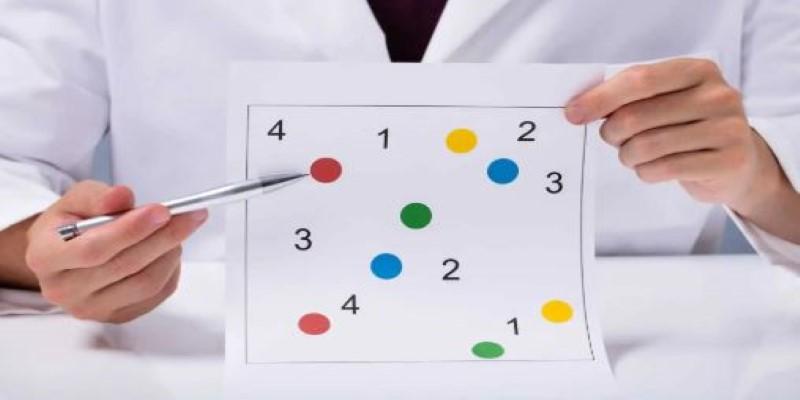
The effect shows up during neuropsychological testing, where subtle weaknesses appear only after sustained attention tasks, delayed recall trials, and set shifting measures. In outpatient neurology, referrals sometimes arrive late for people with long-standing cognitive load in jobs or schooling. Families may describe small slips at home, but brief office visits look reassuring, so evaluation stretches over several appointments. That delay has consequences.
Access to home services, driving reviews, and legal planning often depends on clear documentation of functional change. Clinicians often schedule repeat testing within months, not years. Illness, hospitalization, sleep disruption, or medication side effects can strip away compensatory capacity quickly, exposing problems that were previously concealed. For some patients, this shift is first noticed after a fall or missed appointment, prompting urgent reassessment and tighter follow-up intervals in the clinic.
Structured Mental Activity in Daily Care Settings
Structured mental work carries more value when it sits inside ordinary routines instead of standing alone as a "brain exercise." Occupational therapists often build sessions around tasks that already matter at home, such as setting up a medication schedule, balancing a checkbook, planning a week of meals, or following a written recipe with several steps. These activities test attention, sequencing, and judgment in a way that looks like real life.
During home visits, therapists watch for delayed starts, missed steps, repeated checking, and the point at which mental fatigue begins to show. The goal is not scoring performance, it is finding practical supports that reduce risk, such as simpler task layouts, checklists, or safer kitchen workflows. In residential settings, staff track participation in structured programs like word-based groups, board games, or skill classes. A shift from active involvement to quiet observation can appear before complaints reach a clinician.
Notes about incomplete tasks or growing reliance on prompts provide useful detail during referrals. Consistency matters. Shared documentation across shifts helps separate a temporary "bad day" from a persistent change. Sensory barriers require attention, too. Poor hearing or low vision can mimic cognitive decline, so lighting, print size, and reduced background noise often come first.
Interaction With Medical Monitoring and Comorbidities
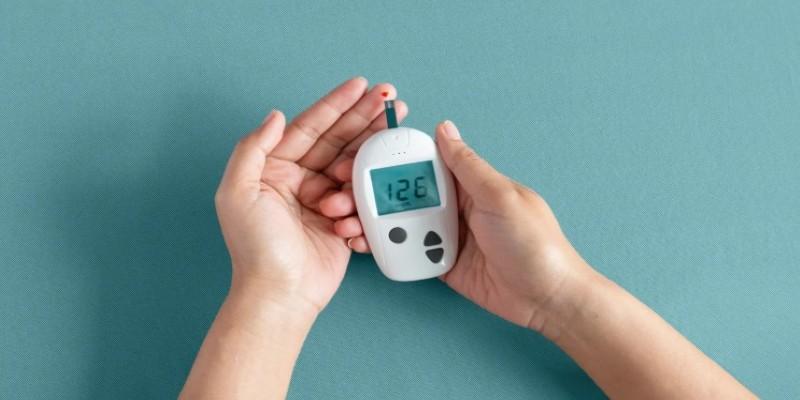
Alzheimer’s risk rarely appears in isolation during routine care. Many referrals to memory clinics start in cardiology, endocrinology, or sleep medicine, after attention lapses or missed steps show up alongside hypertension, diabetes, or untreated sleep apnea. In diabetes education, nurses often use real-world problem solving, such as interpreting glucose logs, adjusting meals around shifts, or syncing medication timing with meals. The cognitive work is built into disease control, and it can expose planning or recall problems that a short office screen may miss.

Medication review is another common turning point. Sedatives, strong anticholinergic medicines, and interacting prescriptions can blunt alertness and short-term memory, sometimes mimicking early dementia. Pharmacists and prescribers track changes after dose reductions or substitutions, then compare function over the following weeks using consistent mental tasks and caregiver notes. That pattern helps separate reversible medicine effects from progressive decline.
Remote monitoring adds data but brings new noise. Digital tests can look worse when arthritis slows tapping, vision limits reading, or unfamiliar devices create errors. Mood disorders add another layer. Depression and anxiety can flatten concentration and speed, so clinicians often treat these first, then reassess cognition with a clearer context.
Limits, Access Barriers, and Clinical Caution
Brain-stimulating activities do not work the same way for every community. Access often tracks with schooling, job demands, income, and available time, not with motivation. In many rural areas, adult education classes, memory cafés, and therapist-led groups may be scarce, and travel can be unrealistic for older adults managing mobility limits or caregiver schedules. Virtual options can reduce travel, yet they introduce a new barrier: device setup, reliable broadband, and comfort with basic troubleshooting.
Missed sessions sometimes reflect technical strain rather than loss of interest, which can mislead families and care teams. Intensity requires careful handling. Tasks that are too hard can trigger avoidance, irritability, or fatigue, especially when early impairment affects processing speed and error awareness. Clinicians often suggest shorter sessions, predictable routines, and stepwise increases in difficulty.
Pain flares, poor sleep, and medication timing can shift performance from one day to the next, so single observations carry limited weight. Caution is needed when mental engagement is framed as protection. Preserved skills can delay evaluation, leading to later diagnosis and fewer planning options. Mental activity supports monitoring and quality of life, but medical assessment remains necessary.
Conclusion
Brain-stimulating activities can support Alzheimer’s risk management, but they do not guarantee prevention. Clinical experience shows uneven benefit shaped by education history, health status, and access to programs. In practice, these activities can help surface subtle functional change over time, supporting earlier referral when decline becomes measurable. Limits include delayed diagnosis when reserve masks symptoms, unequal availability, and confusion without medical interpretation. Effective care pairs mental engagement with screening, medication review, and chronic disease control as part of broader prevention planning.