Sunday night hits, and you stare at your mortgage payment like it is a fixed rule of life. It is not. Refinancing is how you swap your current loan for a new one, usually to cut your rate, lower your payment, pay off the house sooner, or pull cash for a big need.
But timing and details matter. One lender can quote a great rate and still bury you in fees. One “small” choice can push your break-even point out for years.
This guide walks through the refinance path step by step. You will learn what to check first, what to compare, and how to close without surprises.
Get Clear On The One Outcome You Want

Refinancing works best when you choose one main goal before you chase numbers. Do you want a lower monthly payment, a lower interest rate, a shorter payoff, or cash for a major expense? Each goal pulls the deal in a different direction.
A lower payment often comes from a lower rate, a longer term, or both. A shorter term can raise the payment even if the rate drops, but it can cut the total interest hard. Cash-out can help, but only if you know how the money will be used and repaid.
Most refinance regret comes from mixing goals. People say they want savings, then accept high fees for a tiny rate drop. Or they grab cash without a plan, then feel squeezed by the new payment. Pick one outcome and let it guide every next step.
Check Your Readiness Before You Apply
Before you apply, take a quick snapshot of your money situation. Lenders look for steady income, reliable payments, and a debt load that fits your pay. If your budget is already tight, even a small change in payment timing can create stress.
Equity also matters. The more of the home you already own, the easier it is to qualify and the better the pricing can be. Equity also affects whether you can remove mortgage insurance or avoid it in the first place, which can change your monthly cost.
Watch for deal-killers you can spot early. Recent late payments can raise your rate. New credit cards can hurt approval. Big unexplained deposits can slow down underwriting. Clean up what you can first, then apply when your file looks steady and clear.
Know The Refi Type That Fits Your Life
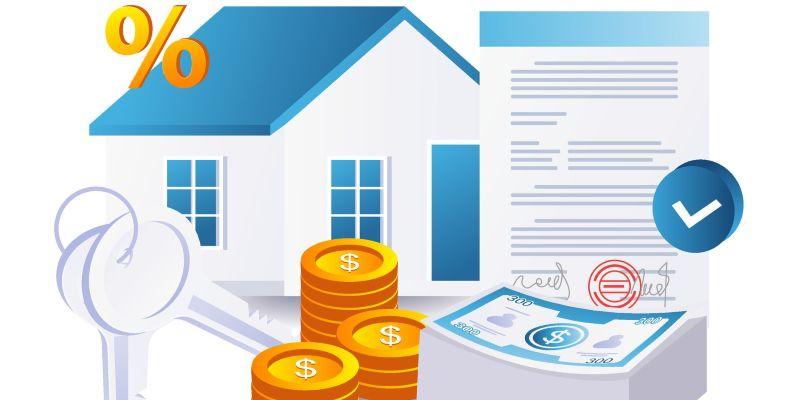
A rate-and-term refinance is what you want if you want to swap your present loan for a brand new one to either lower that interest rate, shorten the term, or do both. This is usually the way to go when you're looking to save some cash or get out of the home sooner, without pulling out all the cash you owe.
A cash-out refinance lets you borrow more than you need to and take the difference in cash—pretty handy if you need to tackle some high-priority debts or sink some serious cash into a major home repair. That being said, if you're just going to end up using it to splurge on something that's just going to wear off quickly, it might not be such a good idea.
The term you choose for your refinance is a huge part of the deal. A shorter term can be a bit of a shock to the system, but it'll definitely get you building up equity a lot faster. A longer one, on the other hand, can help bring your monthly payments right back in line, so you don't have to worry about finding more cash every month. The key is to pick the type and term that fit your lifestyle, not just the refi with the lowest rate.
Prep Your Paperwork So Underwriting Goes Smoothly
Underwriting is where your refinance becomes real. The lender wants proof that your income is stable, your savings are legit, and your identity is clear. If your file is clean, this stage moves fast. If it is messy, expect delays and extra questions.
Most lenders ask for recent pay stubs, W-2s or tax returns, and a couple of months of bank statements. They may also want proof of homeowners' insurance and a copy of your ID. If you are self-employed, they often want more years of records and clearer income notes.
Now is not the time to create financial chaos. Avoid big cash deposits you cannot explain. Skip moving money between accounts without a reason. Hold off on new loans or large purchases. The goal is a calm, traceable money trail that makes sense on paper.
Shop Lenders Like A Calm Pro
Shopping for lenders is not about collecting random quotes. It is about comparing the same loan setup across different lenders. Pick one loan type and one term, then request offers based on that exact setup. Otherwise, you will compare apples to oranges and lose the best deal.
Look at the rate, APR, total closing costs, and the monthly payment together. A lower rate can come with higher fees. A slightly higher rate might cost less upfront and win if you plan to move sooner. Ask for a written estimate so you can line up the items side by side.
Discount points matter, so treat them like a choice, not a trick. Points are upfront fees that buy down your interest rate. They can pay off if you keep the loan long enough. If you might sell or refinance again soon, points can become wasted money.
Apply, Lock The Rate, And Survive The Middle

Once you apply, the refinance enters a busy middle stretch. Expect a credit pull, income checks, and requests for extra documents. This is normal. Respond fast, keep your answers consistent, and do not change your finances during this window unless you must.
Rate locks protect you from market swings for a set time. A lock can be helpful when rates are moving or when your closing timeline is clear. Ask how long the lock lasts, what it costs, and what happens if the process runs past the deadline.
The appraisal can make or break the schedule. If the value comes in low, the lender may reduce your loan amount or adjust pricing. If the home needs repairs for safety reasons, you may face conditions before closing. Stay ready for a curveball and keep backups.
Closing Day And The Week After
Closing is the moment the refinance becomes your new reality. You sign a new promissory note, a new set of disclosures, and documents tied to your escrow account. Take your time. Confirm the loan amount, interest rate, payment, and whether taxes and insurance are included.
After signing, the loan funds and your old mortgage get paid off. The timing depends on your lender and your state rules, but the key is this: your old loan does not vanish instantly. Watch both accounts until the payoff posts and the prior servicer shows a zero balance.
The first payment date can feel odd because it may skip a month, then restart on a new schedule. That gap is not free money. Interest still accrues in the background and shows up in closing figures. Set up auto-pay, review escrow, and store every document in one folder.
Make The Refi Pay Off Long-Term
A refinance isn't really something to celebrate on closing day—it's only won when it actually starts having a long-term impact. If you've managed to lower your payments, make a decision right off the bat about where that extra cash is going to go—whether it's into savings, extra principal on the loan, or maybe taking out some of the high-interest debt that's been weighing you down—because that's where the real benefit comes in.
Track your progress and where you are in regard to break-even—if you paid fees upfront, at least you know when your savings start to kick in and surpass the cost. Take a good look at your statements to ensure that your payment is lined up with what you agreed on at closing.
And if you do find any mistakes, the sooner you call, the better, because getting those service errors sorted out early is a whole lot easier than leaving them to build up over time.