London shopping runs on its own rhythm. Sales start early, crowds swell fast, and transport delays often dictate the shape of a day more than any map can. Choosing the right street saves more than footsteps—it saves time and money.
This guide focuses on the stretches that matter most to travelers navigating short stays, luggage logistics, and seasonal surges. Each area serves a distinct purpose, from high-volume retail to quieter independent browsing. Practical notes sit alongside atmosphere: expect crowd patterns, timing cues, and real-world limits that first-time visitors rarely anticipate. Consider this street-level insight shaped by daily travel operations—not glossy copy, but the working reality of moving through London.
Top Shopping Streets in London
Oxford Street
Oxford Street handles volume better than anywhere else in the city. That matters during peak travel months like July and December, when foot traffic spills into nearby roads. Chain stores dominate, which solves a common problem for travelers needing reliable sizing or quick exchanges before departure. A realistic scenario involves a visitor landing early, storing bags, then heading here for essentials without guessing stock availability.
Crowds swell after 11 a.m., and weekend afternoons slow movement to a crawl. Public transport disruptions hit this area first, so build buffer time. Noise and congestion limit relaxed browsing. This street works best for planned purchases, not casual wandering. Early weekday mornings feel calmer before delivery trucks arrive there.
Regent Street
Regent Street sits between steady movement and flagship appeal. The curve of the road creates a natural flow that eases the usual central London bottlenecks, which helps anyone still adjusting after a long flight. Late November turns the area into a magnet for seasonal displays, yet the pavements stay manageable enough for unhurried walking.
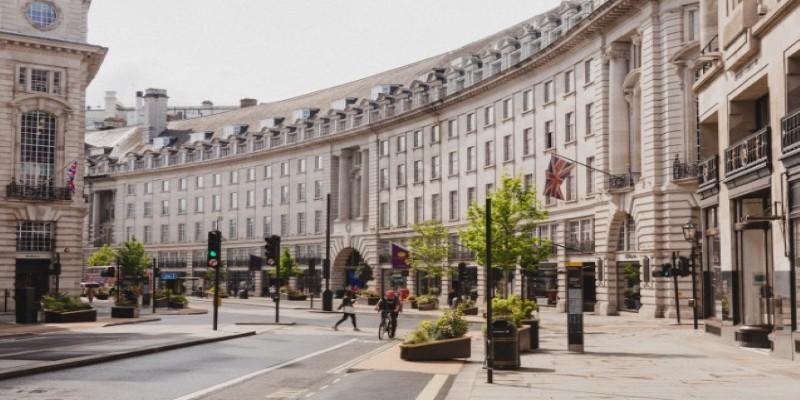
Someone based near Piccadilly can cover several shops here without losing time to detours or long queues. Prices run in line with typical city rates, and promotional periods rarely shift without notice. The nearby stations fill at closing time, though the street itself settles into a calmer tone as evening arrives.
Bond Street
Bond Street operates on precision over volume. Many stores require or encourage appointments, lending the area a quieter atmosphere suited to well-planned shopping trips. Visitors often time their visits around favorable exchange rates, securing an item in person and arranging pickup after final checks. Visible security and attentive staff create a more formal environment—one that inspires confidence in high-value purchases but leaves little room for casual browsing.
Brand-driven pricing cycles follow their own schedules, so advance research pays off. Seating is limited, making it difficult to rest during extended visits. Most luxury shops offer packaging or courier assistance, which can simplify airport transfers during peak travel months.
Covent Garden
Covent Garden mixes shops, arcades, and performance corners in a way that breaks up even the most tiring travel day. Many visitors fit in a matinee, then wander through the markets before heading back toward the station. Stock changes often in the smaller stalls, so a quick decision can work in your favor, though returns are not always simple.
School holiday weekends fill every walkway, and wet weather pushes everyone under the same covered sections. Prices jump between stalls and established stores, so pacing yourself helps. Late afternoon usually brings a softer crowd. Performers gather near main exits during warm months, and that slows movement just enough to affect anyone rushing for trains or timed reservations.
Carnaby Street
Carnaby Street moves at a lighter pace, built around compact blocks and small brands that keep the area easy to manage even on busy days. Many travelers stop here between cultural visits, since the layout makes short shopping windows feel realistic. Fashion drops often appear without much warning, and early arrivals catch the best stock.
Crowds rise as nearby dining fills, creating pinch points at both ends of the street. Delivery services offered by several shops come in handy for visitors with limited luggage space. Fitting rooms can be tight, and lines build quickly. Rain exposes the gaps between storefronts, so timing matters. Pop up shops rotate fast, and checking store feeds before heading over prevents missed finds.
King’s Road
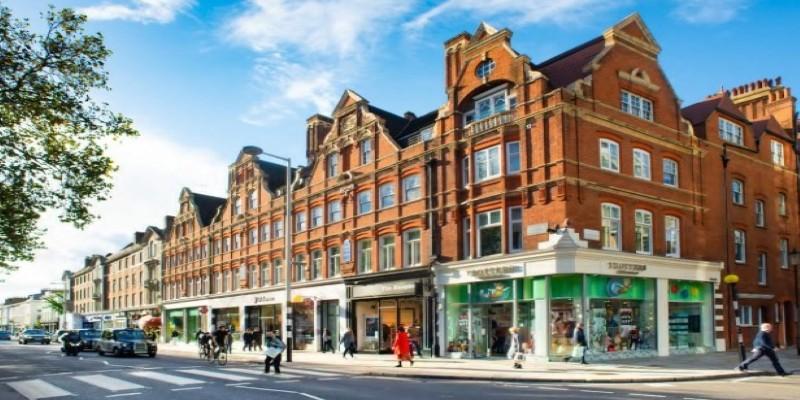
King’s Road has a more residential character than central London, and the pace reflects that. It suits longer, slower afternoons—especially for repeat visitors looking to escape the crowds. Local boutiques sit alongside established brands, with pricing shaped more by neighborhood demand than tourist traffic. Travelers staying in west London can shop here without braving the central transport squeeze. Sales follow local rhythms rather than national launch dates.
Buses serve the area well, though evening options become limited. The retail mix leans toward lifestyle and homeware, so last-minute wardrobe fixes are less reliable. This stretch works best for those with flexible schedules and an interest in local character. Nearby cafés offer handy rest stops, though tables fill quickly during weekend brunch hours, school holidays, and warmer months.
Portobello Road
Portobello Road follows a weekly market rhythm that peaks on Saturdays—a dynamic that brings both opportunity and friction. Visitors hoping to browse antiques or vintage clothing should arrive early to avoid the midday crowds. Prices often rise once tour groups descend, while weekdays offer a quieter pace but fewer open stalls. Weather can also cut trading hours short, a detail many overlook. Payment methods vary, so carrying cash is wise, and returns are rarely an option.
This is a street best suited for intentional browsing, not impulsive stops. Pairing a visit with nearby neighborhoods makes the journey more worthwhile. To steer clear of peak transport pressure, aim for an early departure—particularly on summer weekends, when the District and Circle lines are at their most crowded, and morning delays can ripple through routes near popular stations.
Conclusion
London shopping rewards timing more than distance. Each street plays a role in trip planning, and mismatched expectations cause most frustration. Travelers gain the most by matching street character with trip length and energy levels. Central areas suit quick wins. Outer streets support slower days. Sales calendars rarely align with travel dates, so planning ahead avoids disappointment. Treat shopping as part of the itinerary, not a filler. That approach turns busy streets into manageable stops, not obstacles along the way.