New Zealand attracts walkers with the promise of space, scale, and tracks that feel close to untouched. The idea of joining a guided hike often comes up once the planning starts to feel heavy. Transport gaps, hut booking pressure, and fast changing weather complicate even simple routes. A guided option can reduce those frictions, but it also reshapes the experience in ways not always obvious from a brochure. This article looks at guided hiking as it operates day to day in New Zealand, not as a highlight reel, but as a practical travel decision with tradeoffs worth weighing.
What A Guided Hike Actually Changes On The Ground?
A guided hike replaces many small logistical decisions with one firm structure. Pick up times get locked in early, often before sunrise, because operators need to align with daylight hours and DOC track access rules. In regions like Fiordland or Mount Aspiring National Park, this solves a real transport problem. Public options barely exist, and rental vehicles face limited drop locations and high seasonal demand.
Guides handle permits, hut allocations, weather monitoring, and food planning. During spring and autumn, that support becomes especially relevant. Snow can linger at higher elevations well past summer, and river levels rise without warning after rain upstream. Independent walkers often underestimate these factors and end up turning back halfway through a route.
A realistic scenario involves travelers landing in Queenstown with three spare days and no car. A guided hike removes the need to coordinate shuttle buses, track access, and overnight bookings. The limitation shows up in flexibility. Start times rarely shift, even for delayed flights. Optional side tracks depend on group energy and weather windows. The structure adds predictability, but it narrows choice once the trip begins.
Fitness, Pace, And The Social Reality Of Group Walking
Guided hikes publish fitness ranges, yet real world pacing depends on the mix of people on the track. Guides aim for steady movement to protect daylight margins and manage weather risk. On exposed routes like the Routeburn Track, this prevents late afternoon exposure to wind and cold, which becomes a safety issue even in January.
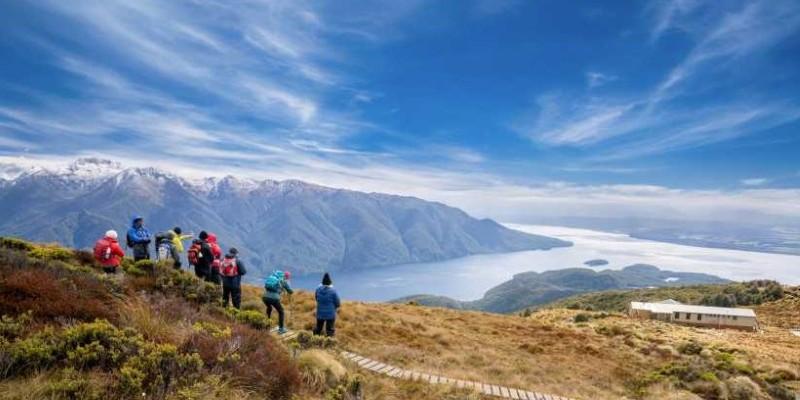
The tradeoff sits in group dynamics. Stronger walkers wait more often. Slower walkers feel visible pressure, even with supportive guides. Rest stops stretch or compress based on morale and terrain rather than personal preference. This setup works well for travelers uneasy about backcountry decision making. It can frustrate experienced hikers accustomed to self pacing.
Social interaction becomes part of the day. Shared huts, communal meals, and long walking hours create constant proximity. Solo travelers often appreciate the company, especially on multi day routes. Others feel drained by conversation obligations. Age ranges also shape the experience. Mixed groups influence walking rhythm, evening routines, and sleep patterns. Private guiding reduces these issues, but costs rise sharply, and availability tightens during school holiday periods.
Cost, Value, And Seasonal Booking Pressure
Guided hikes in New Zealand carry higher prices than many visitors expect. Daily rates reflect guide wages, food, transport logistics, safety equipment, and DOC concession fees. During peak summer months, demand outpaces supply. Prices stay firm, and discounts remain rare, even close to departure dates. This pricing model stabilizes staffing and planning for operators but leaves little room for last minute flexibility.
A common situation involves travelers missing the annual Great Walk hut release window. Independent bookings sell out within hours. Guided operators hold allocated spaces, which shifts the decision from preference to availability. The value lies in access rather than comfort. Huts stay shared, meals remain basic, and weather does not cancel trips. Rain changes conditions, not schedules.
Budget conscious travelers often struggle with this balance. Strong walkers capable of planning independently may feel the premium outweighs the benefit. Cancellation policies tend to stay strict once the season starts, since guides and food transport get locked in weeks ahead. Currency shifts and flight changes rarely trigger refunds. Understanding that rigidity early helps avoid frustration later.
Comfort, Safety, And The Limits Of Support
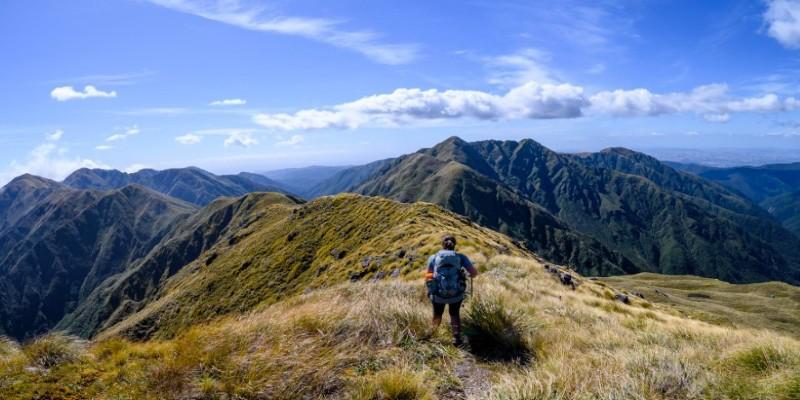
Safety stands out as the most tangible reason to join a guided hike. Guides carry satellite communicators, first aid kits, and have detailed knowledge of local terrain. In places like the Tararua Range, fog can roll in within minutes, and trail markers are often sparse. That experience prevents navigation mistakes and helps avoid situations that would otherwise require search-and-rescue efforts, which happen every season to visitors misjudging conditions.
River crossings illustrate the kind of hazards that can catch hikers off guard. Heavy rain upstream can swell streams hours later, far from where the storm fell. Guides recognize these early signs and adjust routes before danger appears. The reassurance of someone reading the environment correctly reduces stress, though it does not erase the realities of a backcountry trek. Boots still get soaked, mornings remain chilly, and shared huts or tents limit privacy.
Support has boundaries. Medical care is limited until formal evacuation becomes possible. Dietary restrictions are handled, but options stay basic. Travelers expecting hotel-like comfort may feel surprised. New Zealand guided hiking emphasizes access, safety, and logistical ease over luxury. The environment sets firm rules, and part of the experience is accepting those limits while moving through some of the country’s most remote and beautiful terrain.
Conclusion
A guided hike in New Zealand suits travelers seeking reduced risk, reliable access, and local insight without managing every detail. It fits first visits, tight itineraries, and shoulder season travel when conditions shift quickly. It struggles for travelers valuing solitude, pacing control, or budget flexibility. Think through tolerance for group routines, shared spaces, and fixed schedules. Guided trips remove many uncertainties but not all inconveniences. The tracks, weather, and terrain stay the same. Only the framework changes. Clear expectations at the booking stage shape satisfaction far more than the scenery itself once the walk begins.