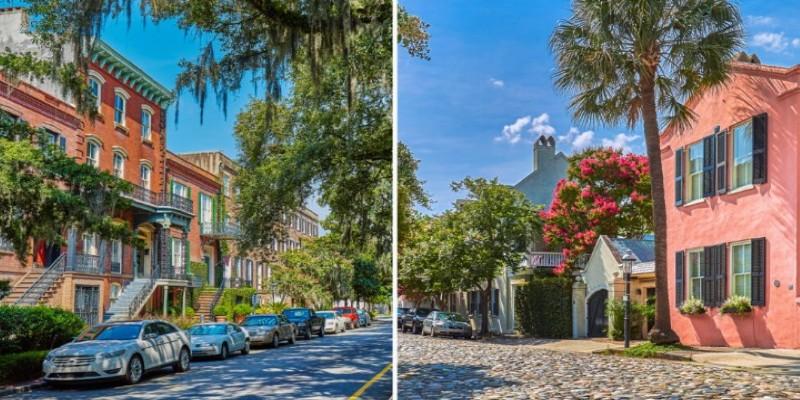
Reflections on Savannah and Charleston often begin with familiar imagery. Spanish moss, church steeples, pastel facades, carriages rolling past storefronts. That picture holds truth, yet daily travel realities shape visits more than scenery. These cities run on patterns tied to seasons, cruise schedules, wedding calendars, and conference blocks. Planning here rewards patience and awareness more than efficiency. Prices move in small windows. Streets behave differently by hour. Service expectations shift by neighborhood. This piece looks past surface charm and into the practical mechanics that shape trips to Savannah and Charleston, drawn from how travel actually unfolds on the ground.
Streets Built for Memory, Not Movement
Savannah and Charleston were never designed for modern traffic flow. Narrow streets, tight turns, and historic preservation rules shape movement across both cities. Ride pickups often require walking to designated corners. Luggage drop-offs take longer than expected. A traveler arriving late afternoon on a busy Friday feels this immediately. Drivers circle. Tempers rise. Hotels manage this by suggesting arrival windows that avoid peak congestion, often earlier in the day.
Historic districts concentrate activity into compact areas. Tour groups gather midmorning and early afternoon. Foot traffic increases sharply around major squares and waterfront stretches. Visitors staying inside these zones experience constant movement, while those just outside notice calmer mornings and quieter nights. Travel advisors often place clients a few blocks beyond the core. The added walk brings easier access and less noise. This tradeoff works well during spring and fall, when demand peaks and sidewalks stay crowded.
Weather changes behavior fast. Summer heat slows walking pace and limits afternoon plans. Cobblestones trap warmth and reflect it upward. Shade helps, though midday movement still feels heavy. Locals run errands early, then retreat indoors. Travelers following the same rhythm gain comfort and flexibility. Breakfast reservations matter more than dinner ones during hot months. Early starts reduce heat exposure and crowd friction. This adjustment solves more problems than any map or app.
Hospitality as a System, Not a Gesture
Hospitality across the Lowcountry runs on planning rather than sentiment. Behind every smooth check-in sits a grid of calendars tracking wedding blocks, cruise arrivals, school breaks, and citywide events. These details dictate staffing levels, room turnover speed, and small flexibilities guests often expect. A late checkout request during a graduation weekend usually meets a polite no. The same request on a quiet Tuesday slips through without friction. The difference lies in timing, not attitude.
Charleston properties feel cruise days immediately. Breakfast lines grow earlier. Taxi availability tightens. Savannah sees parallel pressure during festivals and convention weeks. Visitors unaware of these cycles sometimes assume availability changes signal arbitrary pricing. Rate jumps feel abrupt, though they align closely with known calendar triggers rather than sudden demand shifts. Travel advisors following these patterns lock in flexible bookings early and walk travelers through pricing logic before confusion sets in.
Service style changes by property type. Smaller inns rely on steady routines and limited staffing, which keeps service consistent but reduces wiggle room. Larger hotels absorb volume better and manage logistics smoothly, though interactions feel more transactional. Choice depends on expectations. A solo stay benefits from familiarity and quiet nights. Group travel needs storage space, shuttle timing, and long desk hours. Matching property style to trip needs prevents frustration well before arrival.
Timing, Costs, and Quiet Adjustments
Rates in Savannah and Charleston move in short, sometimes surprising bursts. Midweek stays tend to land lower, though conventions and large events bend that pattern fast. Sunday nights often soften once weekend visitors clear out, especially outside peak spring and fall windows. Price watchers catch brief dips tied to last-minute cancellations. Those openings close quickly. Alerts help flag changes, yet manual checks still matter during crowded months when inventory turns over by the hour.
Weather disruptions hit flights harder than hotels. Storm systems delay arrivals into late evening, reshaping dinner plans and transport options. Properties adjust staffing and room assignments, though availability stays tight during busy stretches. Flexible arrival dates during hurricane season ease pressure rather than lower rates. Travelers reaching town after dark face fewer open kitchens and longer waits for rides. Pre-arranged meals or room service keep fatigue from setting the tone for the stay.
Crowds shift access to museums and guided walks. Spring calendars fill weeks ahead, leaving little room for walk-ins. Quieter months bring breathing room, though tour schedules shrink and early closures appear. An empty street does not always signal calm. Sometimes it signals limited hours. Planning one main activity per day leaves room for delays and small discoveries without pushing schedules off course.
Local Texture and Practical Hints
Daily rhythms in Savannah and Charleston often revolve around meals. Dinner books out quickly on weekends, especially in compact historic areas. Lunch tells a different story. Tables open up, service feels steadier, and menus stay largely the same. Earlier seating matches kitchen flow and cuts down on waiting, a small adjustment that keeps afternoons intact. Clothing norms stay casual, yet the streets demand practical choices. Brick paths and uneven sidewalks turn footwear into a real factor by midday, shaping energy levels more than planned stops.
Retail hours follow no single pattern. One shop closes early midweek, another opens late only on Saturdays. Visitors expecting consistency end up retracing steps. A quick check with hotel staff often saves half an afternoon. Public spaces close sooner than many expect, while waterfront routes remain active later into the evening. Lighting changes block by block, which affects comfort after sunset.
Getting around takes planning. Trolleys cover highlights but stick to fixed loops. Ride services thin out during large events. Walking stays the most dependable option within historic cores. These cities reward attention to small cues. Street volume, open doors, and posted signs reveal more than printed guides ever manage.
Conclusion
Savannah and Charleston do not rush anyone, and trips improve once that becomes clear. The cities reward travelers willing to plan loosely and pay attention to timing, weather, and small local signals. Crowds, prices, and service patterns all follow rhythms shaped by history and modern demand. Accepting those limits creates space for quieter walks, easier meals, and moments that feel unforced. The experience settles in slowly, then stays.