Universal Studios Japan ranks among the busiest theme parks in Asia. On peak days, wait times stretch past two hours before noon. Many visitors arrive with limited time, tight itineraries, and high expectations for attractions like Super Nintendo World and The Wizarding World of Harry Potter. The Universal Express Pass promises shorter lines, but the price can rival the park ticket itself. The real question is not comfort. It is time. Understanding how the system works helps determine if that extra expense actually improves the day.
Understanding Crowd Patterns at Universal Studios Japan
USJ operates on a demand curve that surprises first-time visitors. Cherry blossom season, summer holidays, Halloween Horror Nights, and the Christmas period push attendance to near capacity. Weekends often sell out in advance. Even weekdays feel crowded during school breaks across Japan and neighboring countries.
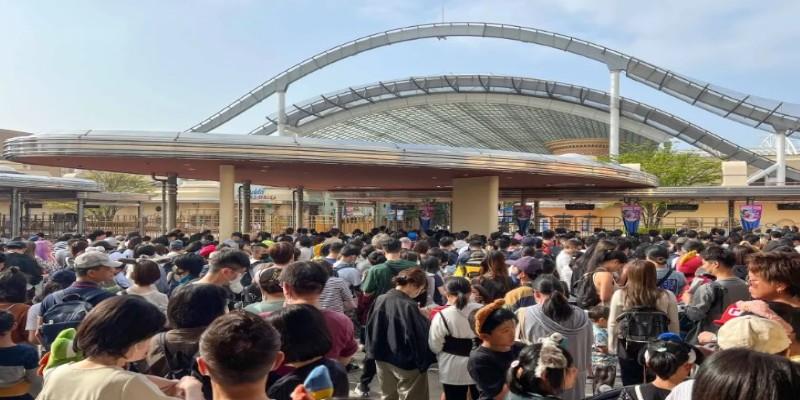
The main challenge is attraction clustering. Super Nintendo World draws heavy morning traffic, and timed entry may be required once capacity fills. The Wizarding World area also bottlenecks due to narrow pathways and immersive design. Without planning, three headline rides can consume half a day in queues alone.
A standard park strategy involves arriving before opening, heading straight to a major ride, then using the official app to monitor wait times. This works during quieter months like mid-January or early June. It breaks down during peak travel seasons when lines build quickly by 9:30 a.m.
The Universal Express Pass was designed to manage this imbalance. Instead of standing in general lines, holders use a separate entrance with scheduled ride windows. It does not eliminate waiting entirely. It reduces it to something manageable, often 10 to 20 minutes instead of 90.
What Does the Universal Express Pass Actually Include?
There is no single Universal Express Pass. Options vary by number of rides and included attractions. Some cover four rides, others seven. Certain versions bundle timed entry to Super Nintendo World automatically. That feature alone solves a common frustration.
USJ tickets operate separately from Express Passes. A studio pass grants entry to the park. The Express Pass is an add-on with assigned time slots printed directly on the ticket. These times are fixed. Late arrival usually means losing access.
For example, an Express Pass 7 might include Mario Kart: Koopa's Challenge at 11:40 a.m., Harry Potter and the Forbidden Journey at 2:10 p.m., and Hollywood Dream later in the evening. The schedule shapes the entire day. It forces structure, which some travelers appreciate, and others find restrictive.
Pricing fluctuates by date. During slower months, a four-ride pass may cost close to half the park ticket. During Golden Week or Halloween, it can exceed the base admission price. That dynamic pricing reflects crowd forecasts. When demand rises, so does the Express Pass cost.
Availability is another factor. Passes often sell out days or weeks in advance for high-demand periods. Last-minute buyers sometimes find only limited combinations remaining. Travel advisors frequently recommend purchasing both USJ tickets and Express Passes as soon as travel dates are firm.
When the Express Pass Makes Sense
Short stays create pressure. Many international visitors allocate just one day to Universal Studios Japan. In that scenario, standing in line for three hours means missing other rides entirely. The Express Pass becomes a scheduling tool rather than a luxury.

Families with children face additional constraints. Younger guests tire quickly, and food lines add another layer of waiting. An Express Pass allows for midday breaks without sacrificing ride access. It also reduces tension when expectations are high, especially for Nintendo-themed attractions.
Peak season travel nearly guarantees long waits. Halloween Horror Nights introduces exclusive haunted attractions with limited daily capacity. Without priority access, some guests spend more time queuing than riding. In that case, the Universal Express Pass protects the overall experience.
There is also a financial trade-off to consider. Visitors flying from overseas already invest heavily in airfare and accommodation. Adding the Express Pass may feel significant, yet it can prevent the disappointment of missing key rides after traveling thousands of miles.
Still, it is not ideal for every traveler. Solo visitors on flexible schedules sometimes find success using single rider lines. These move faster but split into groups. Guests visiting during low attendance periods may manage comfortably without paying extra. Early arrival and smart app usage can cover much of the ground.
Limitations, Timing, and Practical Considerations
The Universal Express Pass works within clear boundaries. Each listed ride is valid for a single entry. After that, it is back to the standard queue. Even inside the priority lane, waits can stretch to 15 or 20 minutes on crowded days. It shortens lines, but it does not remove them entirely.
Set time slots shape the flow of the day. A 3:00 p.m. reservation for Mario Kart means lunch cannot run long, and souvenir browsing needs to fit around that window. Arriving late usually cancels access. Staff rarely make changes, even with a reasonable explanation. That structure helps with crowd control, yet it limits flexibility.
Ride interruptions add another layer. Sudden rain or technical checks can pause operations without much notice. Compensation policies exist, though resolution may take time and depends on the situation. Checking the park app early in the day helps spot closures before walking across the park.
Distance is another reality. USJ requires steady movement between zones, and summer heat in Osaka drains energy quickly. The pass reduces standing but not walking. Cost decisions matter. Some travelers would rather spend that budget on themed meals or limited-edition merchandise. Buying early through official channels avoids pricing surprises and resale risks.
Conclusion
The Universal Express Pass is neither a gimmick nor a guarantee of perfection. It is a time management tool built for a park that regularly reaches capacity. For travelers with limited days, peak season visits, or a strong interest in headline attractions, it often proves worthwhile. For flexible schedules during quieter months, careful planning may suffice. The decision rests on time constraints, budget comfort, and tolerance for waiting. At Universal Studios Japan, time tends to be the most limited resource.